You’re starting strength training and looking for a program that actually works? The first few weeks are when you can gain the most, or wreck everything for months. AIVancePro’s conversational AI coach builds a program tailored to your level, equipment, and available time so you skip the classic mistakes. Here are the 10 most common pitfalls beginners run into, and exactly how to fix them before they cost you half a year of progress.
1. Copying a pro’s or influencer’s program
Routines from Jeff Nippard, Chris Bumstead, or any Instagram athlete weren’t designed for you. These guys run 20 to 25 sets per muscle group with 5 to 10 years of experience, dialed-in nutrition, and often pharmaceutical help. As a beginner, you progress by doing less, typically 10 to 15 working sets per muscle group per week, full-body or upper-lower split 3 times a week.
A copy-pasted YouTube program ignores your level, available equipment, and time. Result: you fry your nervous system in 3 weeks and quit. The golden rule: a beginner program needs to be built FOR a beginner, not a watered-down version of a competitor’s routine.
2. Trying to hit every muscle every session with too many exercises
Classic mistake: you chain 8 chest exercises, 6 back exercises, 5 shoulder movements. You leave the gym after 2.5 hours drained, having progressed on nothing.
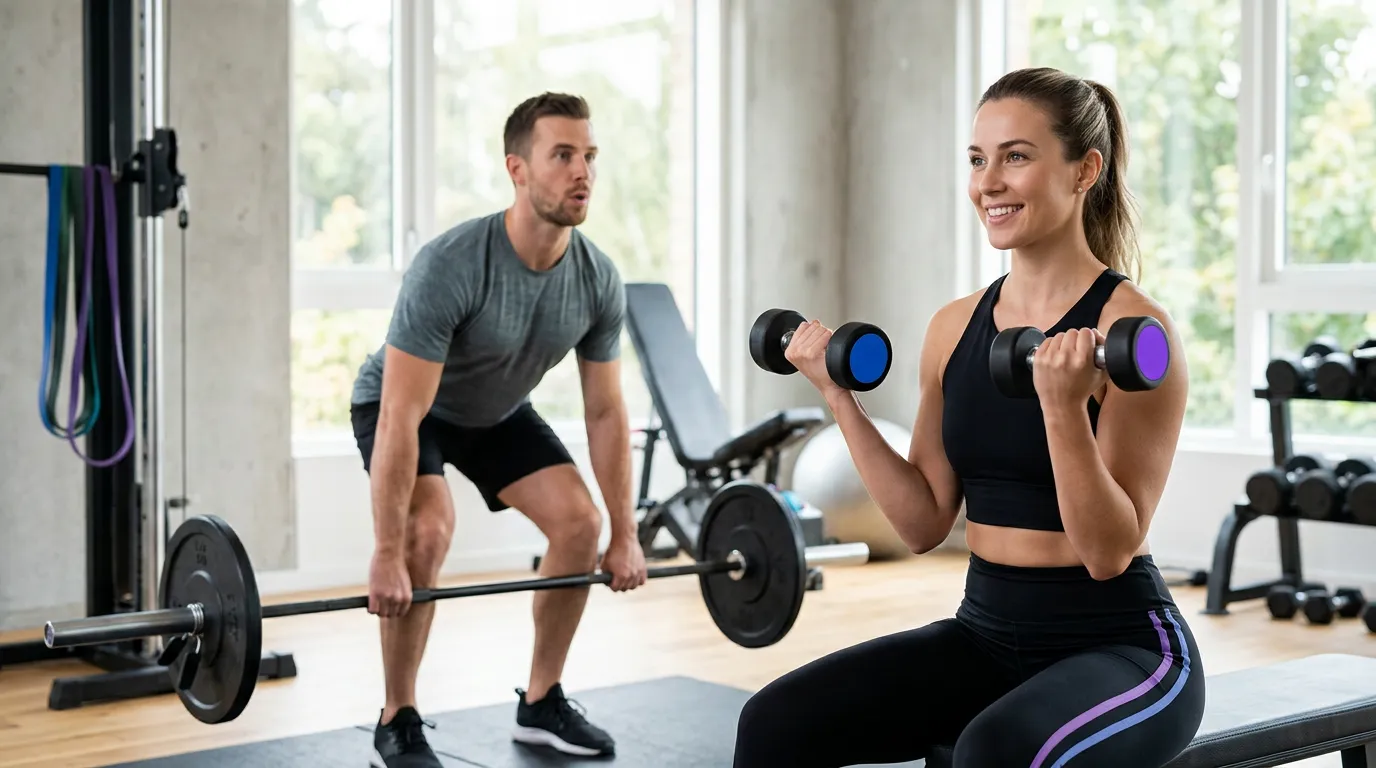
Simple rule for beginners: 2 compound lifts (bench, deadlift, squat, pull-ups, dips) + 1 to 2 isolation exercises per muscle group. That’s it. A well-run session lasts 60 to 75 minutes, not three hours. Your beginner body can’t yet recover from massive volume, fewer exercises, executed better, will get you twice the results.
3. Ignoring progressive overload
This is THE central principle of strength training: progressive overload. If you use the same weights every week thinking showing up counts, you won’t progress. Your body has no reason to get stronger.
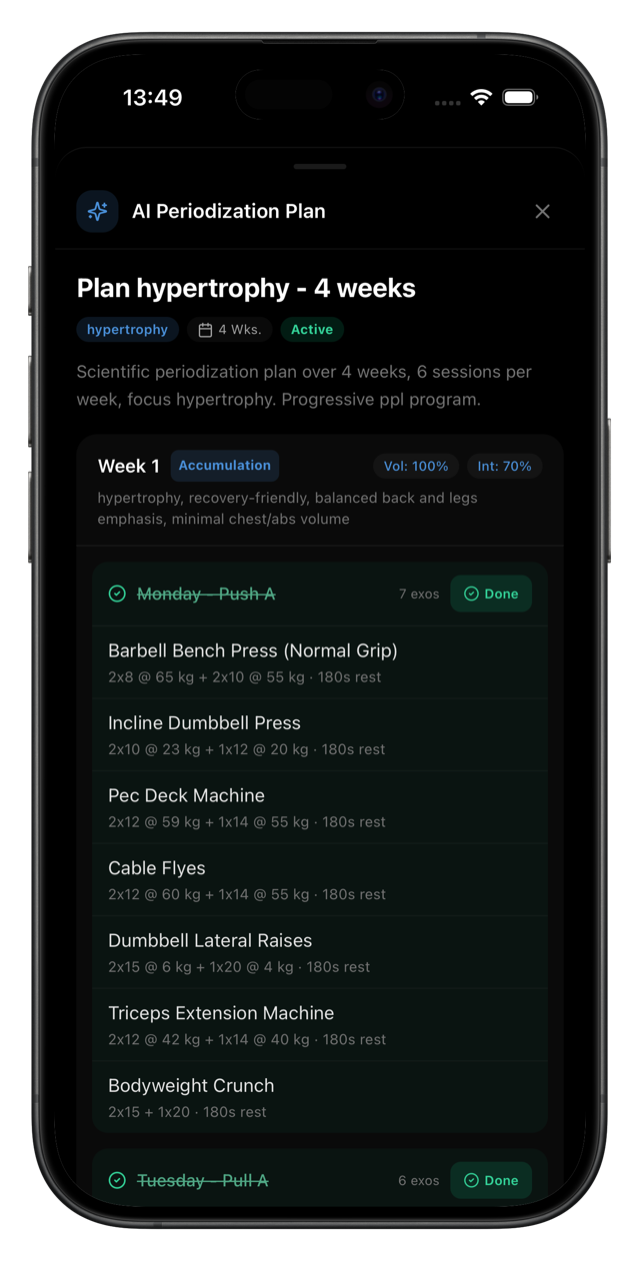
Keep a log (paper or app) with your loads, sets, and reps. Aim to add 5 lbs or 1 rep each week on your main lifts. With AIVancePro, the Vance coach automatically tracks your performance and suggests the target load to hit on your next session, no more math or forgotten notebooks between gym visits.
4. Skipping warm-up and technique work
Many beginners go straight to bench pressing 135 lbs in their second session because the guy next to them does 175. Result: shoulder tendinitis, lower back pain from sloppy deadlifts, knees grinding on squats.
Before each compound lift, do 2 to 3 warm-up sets with a light load to activate the muscle chain and rehearse the movement. Film yourself from the side and compare to a Squat University or AthleanX video. Technique first, weight second. A shoulder injury in month 2 will cost you 6 months of downtime, far more than the weeks spent loading the bar properly.
5. Doing too much extra cardio
You’re hitting 45 minutes of treadmill before or after your lifting session because you need to cut. Bad idea if you’re starting out and your goal is to build muscle or strength.
Excessive cardio creates a calorie deficit that blocks muscle growth. As a beginner, keep 2 light cardio sessions max per week (15-20 min) and focus your energy on lifting. Your body can’t do both at full intensity when you’re starting from zero. You’ll have plenty of time to cut later, once you actually have muscle worth revealing.
6. Ignoring nutrition and sleep
A perfect program without eating right means zero results. To build muscle as a beginner, aim for roughly 0.7 to 1 g of protein per pound of bodyweight, and a slight caloric surplus (200-300 kcal above maintenance).
On sleep: less than 7 hours per night = wrecked recovery, lower testosterone, dropping performance. It’s the variable beginners underestimate the most. A guy sleeping 6 hours and eating junk on the world’s best program will progress less than a guy sleeping 8 hours and eating clean on a mediocre one.
7. Never changing your program (or changing it every 2 weeks)
Two equally harmful extremes. Either you run the same program for 18 months with zero variation and plateau hard. Or you change everything every 2 weeks because you saw a new routine on TikTok and never have time to progress on any single exercise.
The right window: keep a program 6 to 12 weeks, let your loads progress, then adjust exercises, order, or split. AIVancePro adapts your program in real time based on your performance and reported fatigue, no arbitrary cycles, just measured progression, week after week.
8. Underestimating legs (or overtraining them)
The classics: skipping leg day because it hurts and nobody sees them in a t-shirt. Or the opposite, smashing 20 sets of squats on Monday because you’ve heard everything about squats.
For a beginner, 2 leg sessions per week with 8 to 12 working sets total is plenty. Include squats, lunges, leg press, and hamstring work (Romanian deadlift). Don’t skip leg day, your legs make up 50% of your muscle mass and they trigger the most anabolic signals that drive growth across the rest of your body.
9. Mismanaging rest between sets and sessions
Typical beginner: 30 seconds between sets because they saw on Instagram that you need to keep the pace. Except for heavy compound lifts (bench, squat, deadlift), you need 2 to 3 minutes minimum to recover your nervous system and lift your true working weight.
On rest between sessions: leave 48 hours between two sessions targeting the same muscle group. Bench Monday and Tuesday because you feel hot is the royal road to a shoulder injury. Recovery is where the muscle actually builds, not during the session itself.
10. Not tracking and not being patient
You weigh yourself daily, check the mirror for abs after 3 weeks, read 10 contradictory articles a day. Stop.
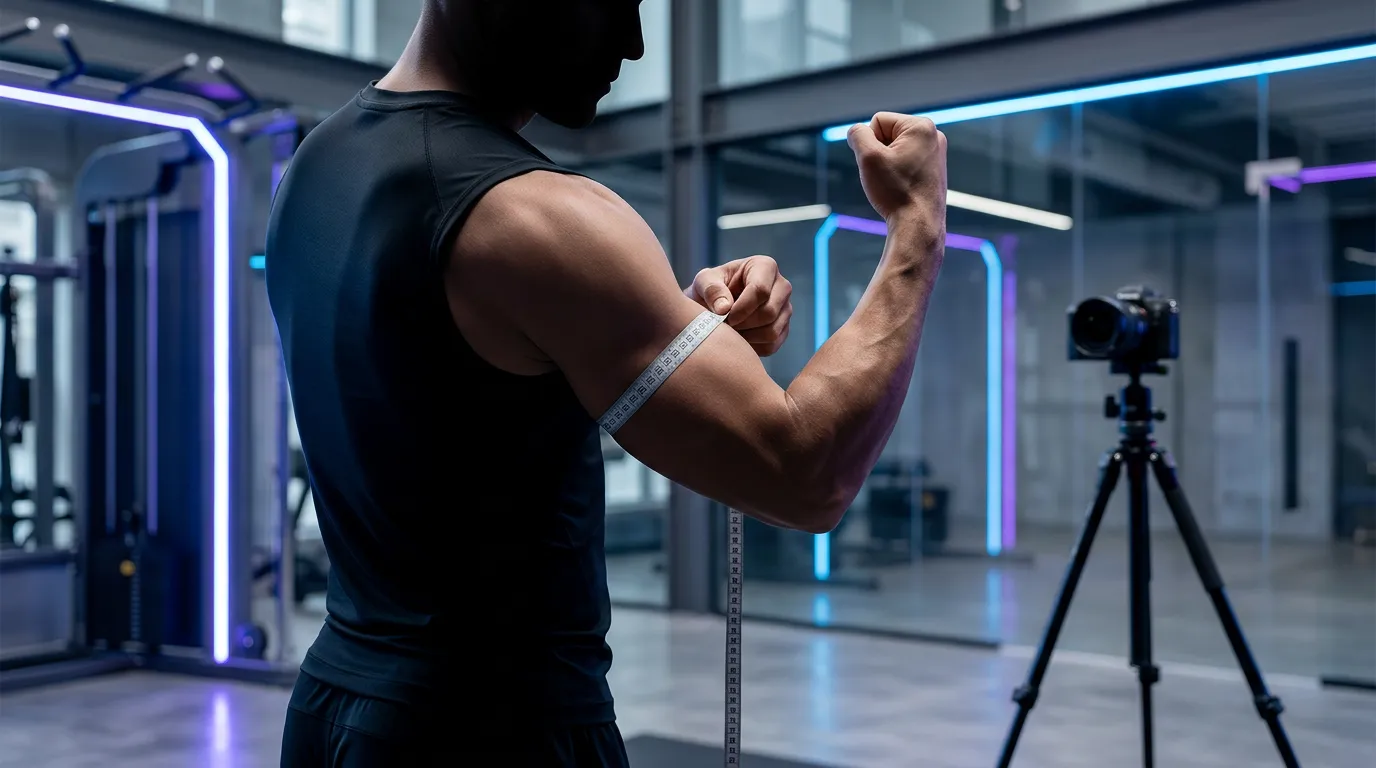
Track your progress every 2 to 4 weeks: waist measurement, arm measurement, photos in consistent lighting, loads on your main lifts. Visible results show up after 3 to 6 months when you’re starting out. That consistency is what separates the people who succeed from the rest, not a secret program, not a magic supplement, just patience and measurement.
How AIVancePro stops these mistakes from day one
The core problem with these 10 pitfalls: a beginner doesn’t know they’re making them. You copy what you see at the gym, throw in 2 YouTube videos, and end up with a Frankenstein program that ignores your reality.
AIVancePro is your built-in conversational AI coach that:
- Builds your first program by asking the right questions (equipment, frequency, level, any injuries)
- Automatically tracks your loads and suggests weekly progression
- Detects if you’re doing too much or too little volume on a muscle group
- Adapts your program to your real fatigue (rough week at work, bad sleep)
- Reminds you of technique basics before each compound lift
You go from “I copied a program and crossed my fingers” to “I have a plan built for me that evolves with my results.” All in natural conversation with Vance, no 50-question form to fill out.
Conclusion
When you’re starting strength training, it’s not exotic exercises or trendy supplements that make the difference. It’s the absence of the 10 mistakes above, and consistency week after week. A simple, measured program that evolves with you will always beat a copy-pasted influencer routine.
To start on the right foot without fumbling for 6 months, download AIVancePro and let Vance build your first program tailored to your equipment, schedule, and goal. First month at €3.49, then €6.99/month, cheaper than a single personal training session, for daily guidance.
This article shares general guidance. If you’re returning to training after an injury or health condition, consult a sports doctor or physical therapist before starting.
FAQ
How many sessions per week as a beginner?
Three full-body or upper-lower split sessions per week is ideal for a beginner. This rhythm allows enough recovery between sessions while still hitting each muscle group twice a week to maximize progression.
Do you need supplements when starting out?
Not essential in the first few months. Focus on a protein-rich diet (meat, eggs, fish, legumes) and good sleep. Whey protein can be convenient after 2-3 months if you struggle to hit your protein intake, but it’s no magic bullet.
How long before you see the first results?
The first strength gains come in 2 to 3 weeks (nervous system adapting). Visible physical changes take 8 to 12 weeks minimum with consistent training and nutrition. Patience is your best ally.
Can I follow a free program found online?
A free program can work as a base, but the risk is it won’t match your level, equipment, or available time. With AIVancePro, your AI coach builds a program aligned with your reality from the first conversation, and adjusts it week to week based on your actual performance.
How do you know if you’re overtraining?
Warning signs: chronic fatigue, degraded sleep, loss of motivation, loads regressing for several weeks in a row, lingering joint pain. If you stack two or three of these signals, take a deload week (volume cut in half) and watch how you bounce back.
← Back to blog