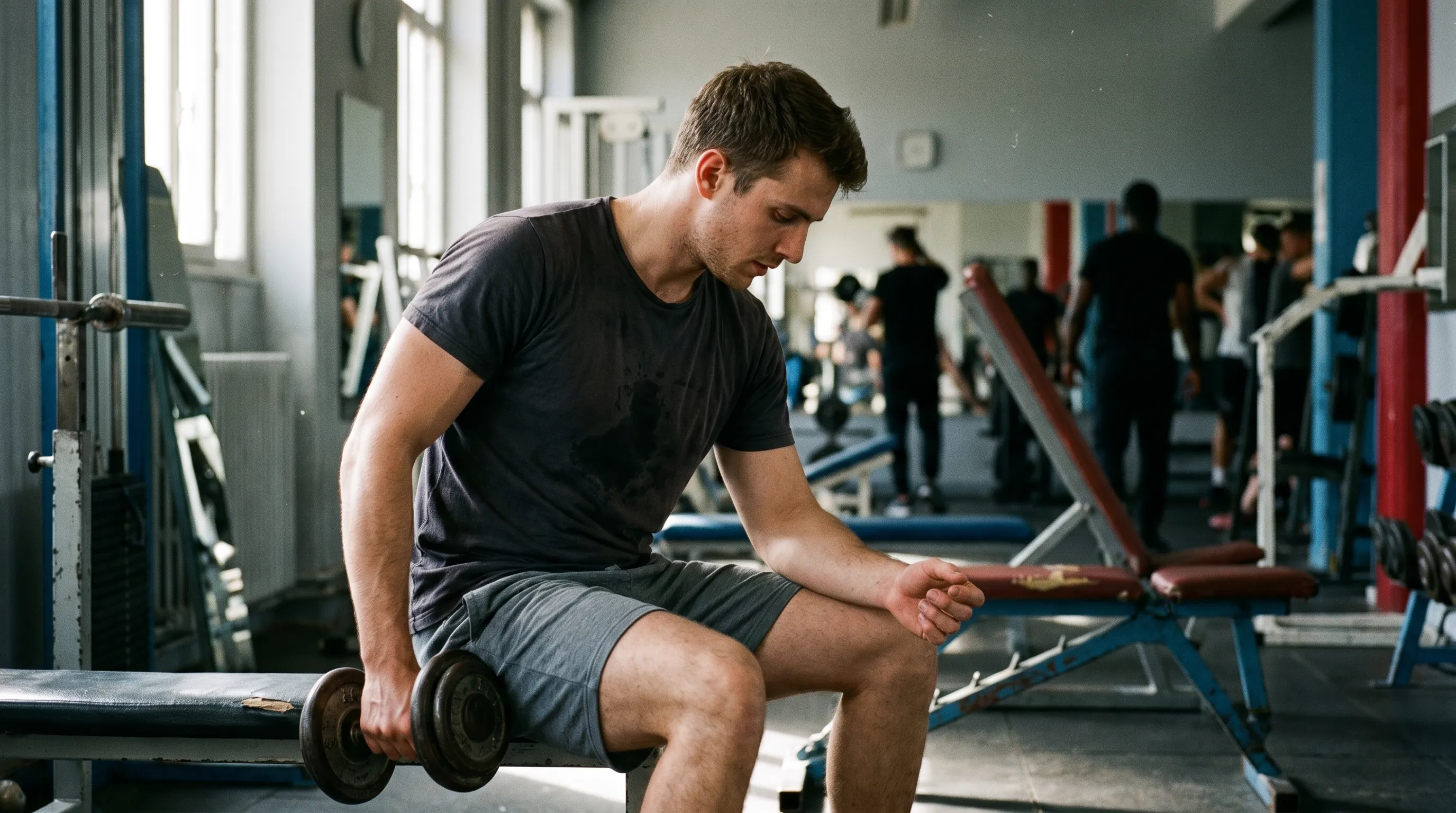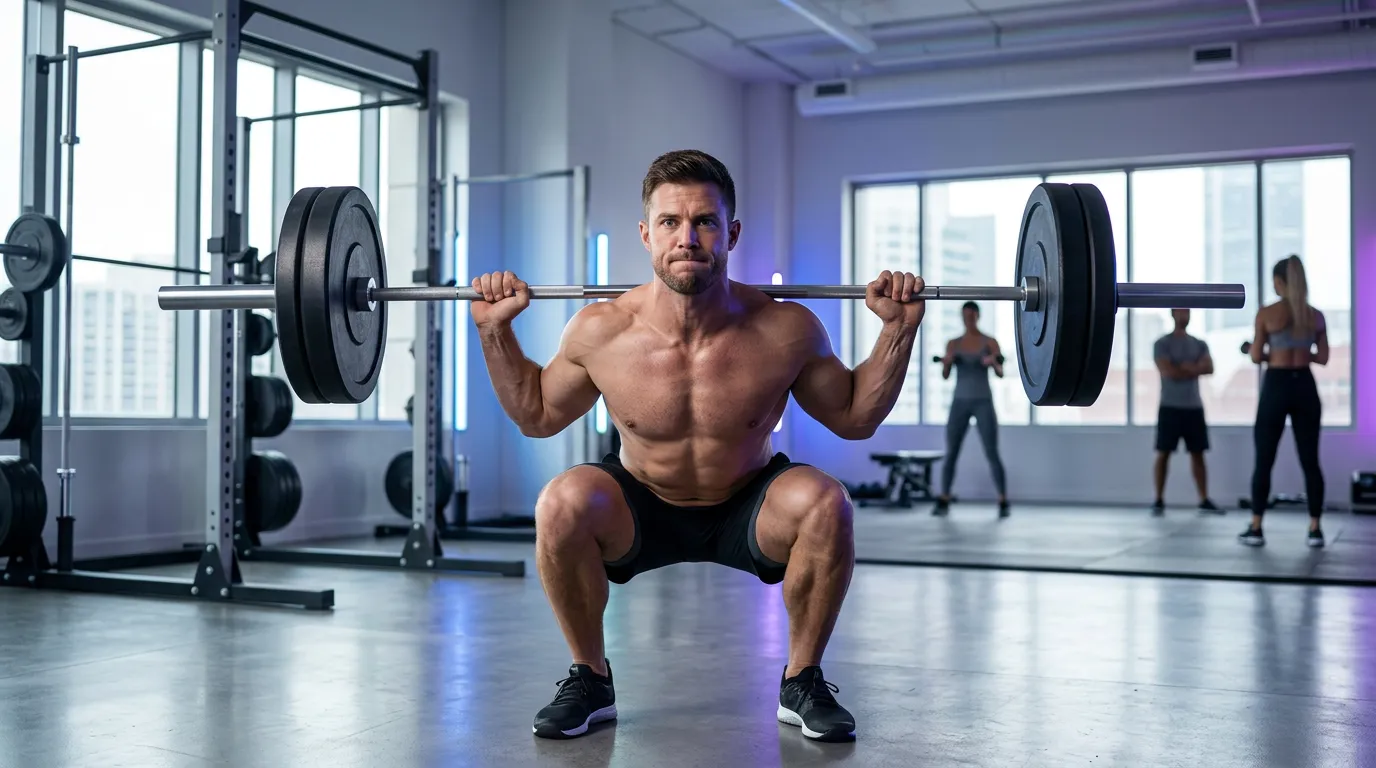
You finish your set, you’re sweating, and the same old question pops up: is stretching after lifting actually worth it? Between gym bro myths and recent research, it’s hard to know what’s true. Let’s sort it out, with data.
What science actually says about post-workout stretching
For decades, post-workout stretching was sold as the secret to better recovery, less soreness, and improved flexibility. Recent studies (notably the Afonso et al. 2021 meta-analysis in Frontiers in Physiology) dismantle most of these beliefs.
The facts:
- Static stretching after training does not significantly reduce DOMS (delayed onset muscle soreness)
- It does not improve muscle recovery as measured by blood markers (CK, lactate)
- It can improve flexibility long-term when practiced consistently
- It may slightly decrease maximum strength in the hours that follow
So no, stretching your hamstrings for 30 seconds after your deadlifts won’t magically save you from being sore tomorrow. Sorry.
Why you still feel like stretching
There’s a real sense of well-being after a post-workout stretch. That feeling is genuine, even though it has nothing to do with muscle recovery in the biochemical sense.
Two main explanations:
- Neurological effect: stretching activates the parasympathetic nervous system, helping you transition from “fight mode” to a calmer state
- Psychological effect: the end-of-session ritual signals to your brain that effort is over, which promotes mental relaxation
That’s not nothing. If you stack 5 sessions a week without ever decompressing, your nervous system eventually saturates. A bit of gentle stretching is a useful transition.
Static vs dynamic stretching: the right timing
This is where nuance matters. Not all stretches are equal, and they don’t belong at the same moment.
Before training:
- Dynamic stretches (rotations, swings, large movements) → ✓ recommended
- Static stretches (holding 20-30s) → ✗ avoid, they reduce immediate strength and power
After training:
- Light static stretches (10-30s, no pain) → ✓ fine for relaxation
- Intense static stretches (PNF, over 60s) → ✗ unnecessary or counterproductive if you train again within 24h
Off day:
- Dedicated mobility session (15-20 min) → ✓ best time to actually progress in flexibility
Simple rule: right after effort, your muscle tissue is still in alert mode. Pulling on it aggressively helps no one.
Stretching and soreness: the myth to bury
DOMS comes from microscopic damage in muscle fibers caused by eccentric contractions. No stretch will repair these micro-tears faster.
What actually works against soreness:
- Sleep: 7-9 hours, that’s where recovery happens
- Nutrition: 1.6-2.2g of protein per kg of body weight
- Hydration: minimum 30-35 ml/kg
- Light movement: walking, easy cycling, mobility (not more effective than passive rest, but pleasant)
- Patience: 48-72h, your body handles it on its own
If you’re looking for a magic bullet to eliminate soreness, it doesn’t exist. But solid recovery hygiene reduces both intensity and duration.
When post-workout stretching is genuinely useful
There are situations where stretching after training has real, measurable value:
- Sports requiring flexibility: if you also do yoga, jiu-jitsu, dance, or martial arts, gaining range of motion is a performance goal
- Bad posture: if you sit 8 hours a day, stretching hip flexors, pecs, and upper traps is useful (but that’s mobility, not recovery)
- Rehabilitation: under physical therapist guidance, for an identified injury or imbalance
- Mental decompression: if you enjoy that moment of calm, that’s reason enough
On the other hand, if your only goal is muscle and strength gains, you can totally skip static stretching after training without guilt.
The smart protocol: 5 minutes worth doing
If you still want to integrate stretching after your session, here’s a minimalist protocol based on what actually works:
- Slow walk 2 minutes, brings heart rate back to normal
- Diaphragmatic breathing 1 minute, activates parasympathetic recovery
- 2-3 targeted stretches on muscles worked, 20 seconds per stretch, no pain
- Hydration and post-training nutrition, metabolic window is 2 hours, not 30 minutes (that myth is dead too)
That’s it. No need for 30 minutes of stretching. The goal is transition, not flexibility performance.
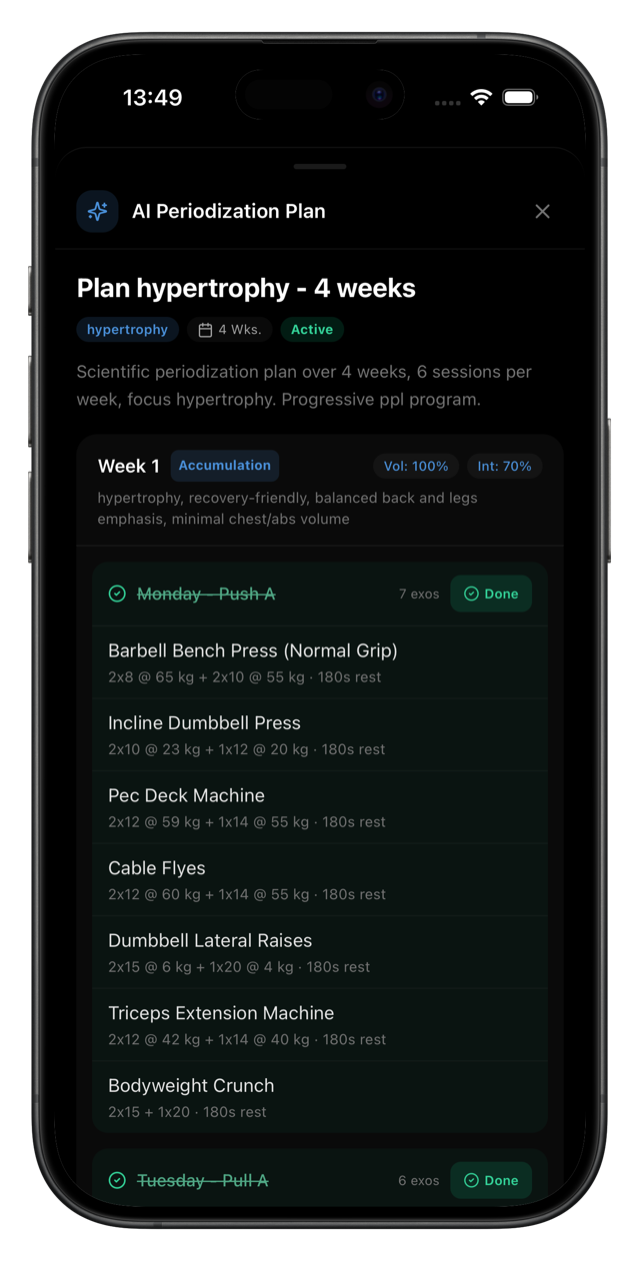
An app like AIVancePro integrates this kind of protocol directly into each session, with a built-in conversational AI Coach that tells you what to do based on the muscles worked that day.
Conclusion
Is stretching after lifting worth it? The honest answer: not essential for muscle recovery, but useful for mental transition and long-term mobility. Stop believing that a quick 5-minute stretch at the end of your session will spare you from soreness or boost muscle gains, that’s false. However, if flexibility is a standalone goal for you, schedule dedicated mobility sessions instead of rushed end-of-workout stretches.
The real recovery levers are sleep + protein + hydration. Everything else is a bonus.
Health disclaimer: this article is informational and does not replace advice from a physical therapist or sports physician. For persistent pain, injury, or specific conditions, consult a healthcare professional before changing your stretching routine.
FAQ
Should I stretch after every weightlifting session?
No, it’s not mandatory. Static stretches after a session don’t significantly improve muscle recovery. They can still help with relaxation and long-term mobility, but they’re not essential.
Does stretching prevent soreness?
No. Studies show stretching (before or after exercise) does not significantly reduce DOMS (delayed onset muscle soreness). Sleep, protein intake, and hydration are far more effective.
How long should I hold a post-workout stretch?
If you choose to stretch, 20 to 30 seconds per muscle is enough. Avoid intense or very long stretches (over 60s) right after a session, especially if you train again within 24 hours.
What’s the difference between static and dynamic stretching?
Static stretching means holding a lengthened position (e.g., bending forward to stretch hamstrings). Dynamic stretching involves movement (rotations, swings, walking lunges). Dynamic goes before the session, static after or in dedicated mobility work.
Can stretching make you lose strength?
Yes, static stretches held for a long time (over 45-60 seconds) before a session can temporarily reduce maximum strength and power. That’s why dynamic warm-ups are recommended before effort, and static stretches after or in dedicated sessions.
← Back to blog