Wondering which gym accessories actually move the needle and which ones are pure marketing? Building a real lifting setup isn’t about buying every gadget in the influencer’s bag, it’s about a few high-leverage tools that protect your joints, lock your form, and let you push harder. AIVancePro’s conversational AI coach handles the programming side, adapting your sessions to your fatigue, schedule, and lifts, so this guide focuses on the physical gear that genuinely changes how you train.
The lifting belt: who needs one, when
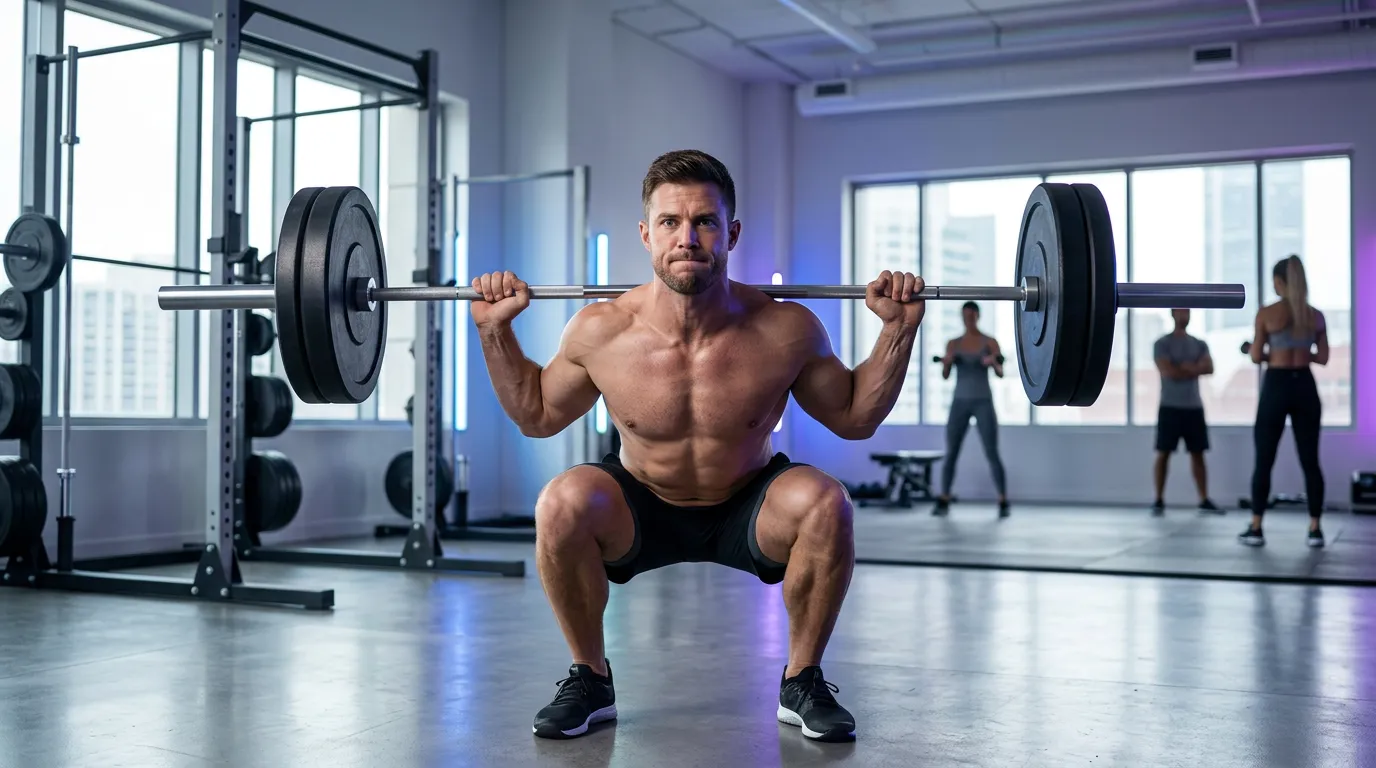
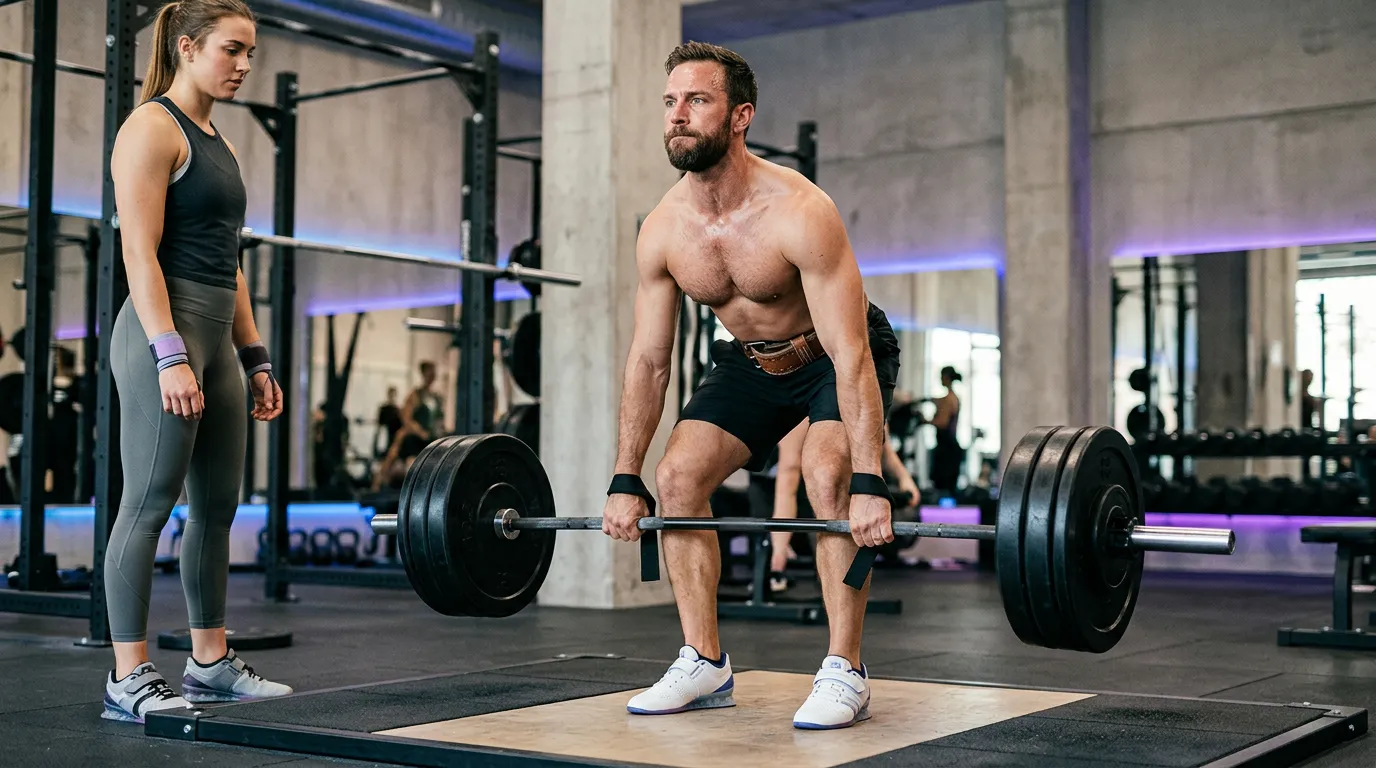
A lifting belt isn’t an Instagram prop. It’s a tool that creates intra-abdominal pressure, stiffening your core and protecting your lumbar spine on heavy compound lifts, squat, deadlift, overhead press.
When to use it: from around 80% of your 1RM on squat or deadlift, in heavy sets of 1-5 reps. Below that threshold, it provides no real benefit and even robs you of active bracing practice.
What to pick: leather, 10 or 13mm thick, lever or single-prong buckle. Budget 70-100€ for a belt that lasts a decade. Skip the thin nylon belts at 25€, they collapse under heavy load.
Common mistake: wearing it on every set, even light curls or warm-up benching. Your core should brace on its own for 90% of your work sets.
Lifting straps: when grip becomes the bottleneck
On heavy pulls, rows, deadlifts, weighted pull-ups, your grip usually fails before your back. Straps transfer the load from your fingers to your wrists, letting you push the target muscle.
When to use them: on heavy work sets or drop sets where you want to overload your back or traps without grip cutting the session short. Straps don’t replace grip training, they complement it.
Models: cotton straps with a single loop (lasso style) or figure-8. Figure-8 is more secure for heavy deadlifts but less versatile. Budget 15-20€. The premium Versa Gripps at 70€ rarely justify the price for an intermediate lifter.
What to avoid: strapping in from your first warm-up. Save them for your last 2 heavy sets.
Wrist wraps: protect your pressing
Wrist wraps stabilize the wrist joint on heavy pressing, bench, overhead press, weighted dips. They prevent hyperextension under load, which over time causes tendinitis and chronic joint pain.
Stiffness level: 18-20 inch wraps offer the best balance, stiff enough to support, flexible enough not to fight you. Competition-grade 36-inch wraps are for powerlifters only.
Budget 20-30€ for a solid pair (Stoic, Strength Shop, Decathlon’s higher-end Domyos). This is arguably the best value accessory on the list, for 25€, you protect your wrists for years.
Lifting shoes: the foundation everyone skips
This is the most underestimated piece of gear. You can’t squat or pull effectively in cushioned running shoes, the foam absorbs the force you should be transferring to the floor.
Two routes depending on your style:
Heeled lifting shoes (Adidas Powerlift, Nike Romaleos): 80-200€. The 1.5-2cm heel gives you more depth on squats if your ankle mobility is limited. Ideal for front squats, high bar, weightlifting.
Flat-soled shoes (Converse Chuck Taylor, Vans, Notorious Lift): 50-110€. Lower to the ground, which shortens deadlift ROM and improves stability on low bar squats. The right call for heavy deadlifters.
Verdict: if you squat and deadlift roughly equally, go flat. If you focus on high-bar Olympic-style squats, go heeled.
Knee sleeves and elbow sleeves: joint support
Neoprene knee sleeves warm the joint and provide light proprioceptive support on heavy squat work. Don’t confuse them with knee wraps, those are a competition tool for powerlifters.
When: on heavy squat sets (80%+), or if you’ve had prior knee discomfort and want extra confidence. Budget 30-60€ for a quality pair (5 or 7mm thickness).
Elbow sleeves serve the same role on heavy bench or for lifters with chronic elbow tendinitis. Optional unless medically indicated.
Your tracking app: the accessory that drives everything
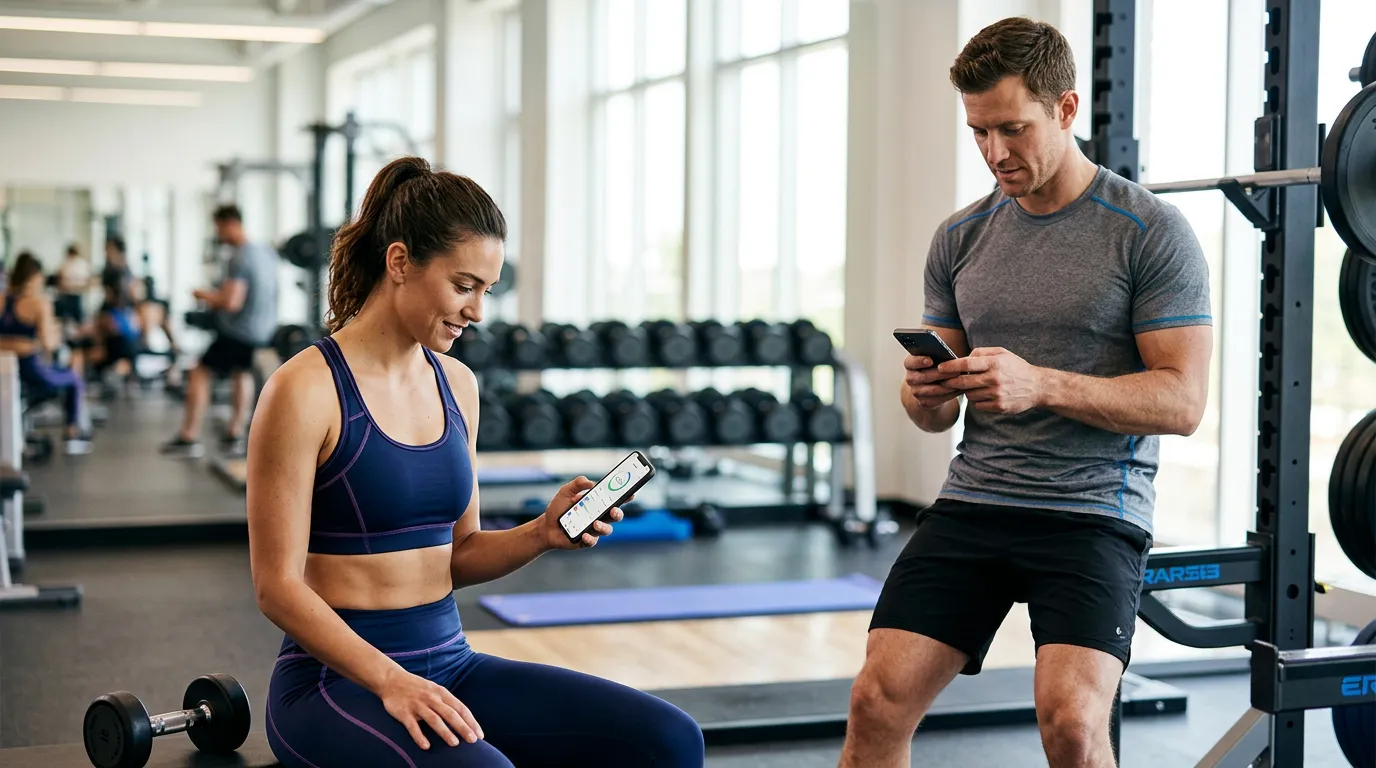
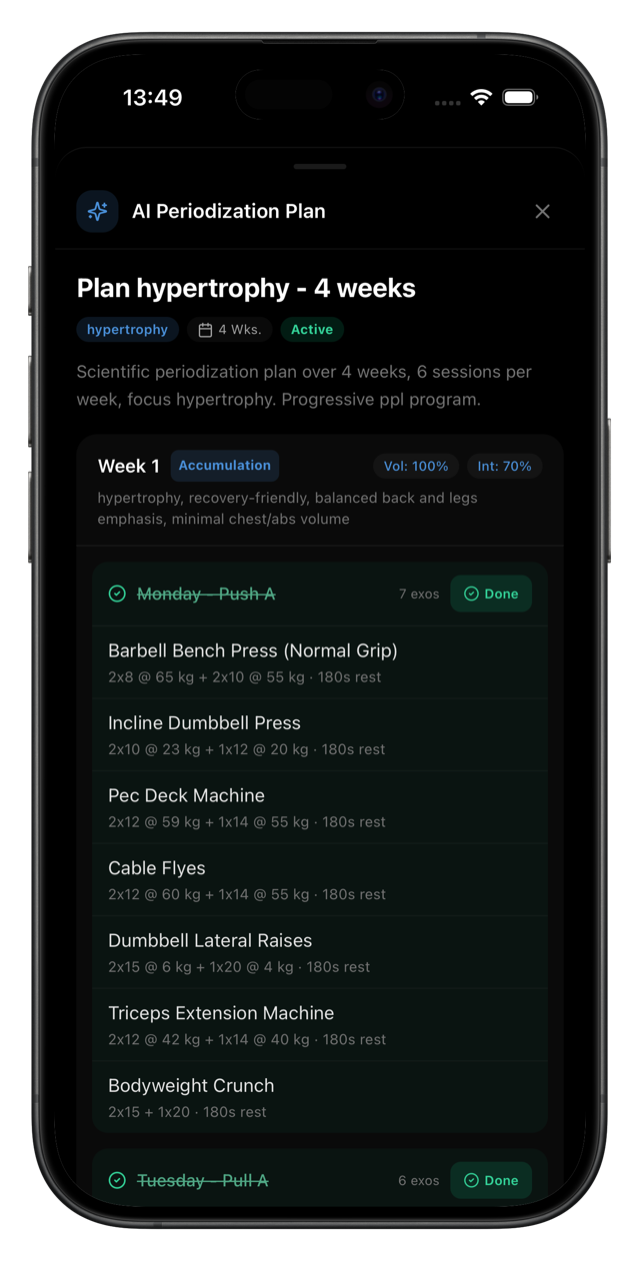
You can own the most expensive belt and 200€ lifting shoes, without serious session tracking, you won’t progress. This is where AIVancePro shifts the equation.
Unlike a paper logbook or a standard tracker app (where you just record sets), AIVancePro analyzes your progression set by set, detects stagnation, and adapts your programming automatically. Its conversational AI coach answers practical questions: “my lower back is sore, what do I swap deadlifts for this week?”, “I’m traveling 3 days, how do I rearrange my 4 sessions?”, “my bench has plateaued, what should I change?”
It’s the only “accessory” that adapts to you in real time. First month is 3.49€, then 6.99€/month, cheaper than a pair of straps, and it structures everything else.
What you don’t need to buy
A quick list of marketing essentials that don’t move the needle for 90% of lifters:
- Lifting gloves: build calluses instead, better grip, better bar feel.
- Smart shakers: a 5€ basic shaker does the same job.
- Magnetic joint braces: zero scientific basis.
- 60€ pre-workouts: a strong coffee and 200mg of caffeine give the same effect.
- BCAA powders: redundant if your protein intake is sufficient.
- Heart rate chest straps for lifting: useful for cardio, irrelevant for strength training.
Reasonable total budget for a complete setup: 150-280€ once, for belt + straps + wrist wraps + shoes. Built to last 10 years.
Conclusion
The essential gym accessories come down to four physical categories: lifting belt (for heavy compounds), straps (for pulls), wrist wraps (for presses), and proper shoes (for stability). Plus a fifth, invisible but decisive element: a smart tracking system that tells you what to change and when.
AIVancePro pulls that final piece together in one app, your conversational AI coach guides you session after session, adapts your programming, and unblocks you when you plateau, starting at 3.49€ for the first month. For physical gear, invest once in quality rather than replacing cheap kit every six months.
This article is informational only. Lifting accessories don’t replace medical advice for pre-existing pain or injury. Consult a healthcare professional before resuming intense physical activity.
FAQ
Do I really need a belt to squat and deadlift?
Not until you’re working above 80% of your 1RM. Beyond that, the belt helps maintain high intra-abdominal pressure and protects your lower back on heavy 1-5 rep sets.
Lifting straps or grip hooks: what’s the difference?
Cotton lasso straps are more versatile and cover 95% of cases. Metal hooks are convenient but reduce bar feel and cost more for limited benefit.
Are lifting shoes useful for a beginner?
Not immediately. Focus on technique and ankle mobility first. Invest in specific shoes when you approach 1.5x bodyweight on squat.
How much should I spend to gear up properly?
Plan 150-280€ once for a durable setup (leather belt, straps, wrist wraps, flat or heeled shoes). That’s less than a month with a personal trainer.
Does AIVancePro really replace a human coach?
For most intermediate lifters, yes: adapted programming, load tracking, fatigue advice, exercise swaps. A human coach still makes sense for competition prep or medical rehab.
← Back to blog